Backtracking Forward: Collecting Vinyl 102
posted in: Features

Digging ain’t easy folks. These days there’s increasing competition and more knowledgeable sellers to contend with. Not to mention moldy boxes where a slab-of-gold may lie in a sea of pyrite. Yes, these are the obstacles that present themselves when digging for vinyl out in the field. Record shops are nice for their organization and convenience, but I prefer hard work when getting my hands on some tasty platters. And that means an endless chase to flea markets, thrift stores, personal collections and shops that are off the radar.
One of the biggest trends in record collecting is obtaining the genuine, original first pressing of an album. A first pressing means the platter was made using the master tapes, resulting in superior analog sound quality. In many cases, the master tapes were not used for subsequent pressings, resulting in a degradation of quality. When coupled with a reduction in the amount of vinyl used to create a disc (see Backtracking Forward: 180 grams of Jazz), a breed of collectors searching for the purest sound was born. As more audiophiles continue to be bred from this mainstream resurgence of vinyl, consumer demand for original pressings of essential albums from every genre will continue to skyrocket, as will their market value.
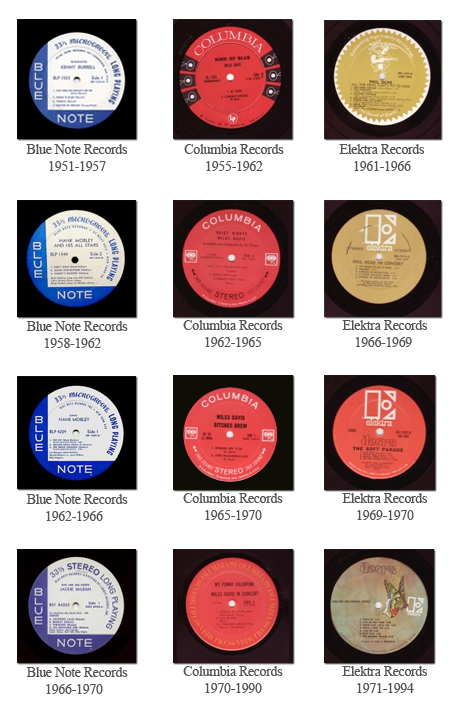
Designating first pressings and their ensuing reissues is fairly simple when equipped with the right amount of information and know-how. Unlike contemporary albums”where there exists increased artistic freedom for the label design”record companies from the heyday used stock labels for all their releases, merely adding in the name, album title and track listing. As the years progressed, most record companies made either small or large changes to a label design. Sometimes this meant a minor adjustment of an address while a more drastic overhaul would include a whole new look and feel. In order to take the next serious step into the world of collecting vinyl records, one must immerse themselves in a vast pool of label recognition. For the average music enthusiast, listening to a pressing of Miles Davis’ Kind Of Blue from 1971 is no different than the 1959 copy but for the serious devotee of analog, that 12 year difference means the world (and an extra 200 bucks market value.)
Here are some simple tips to remember when determining a record’s pressing:
1. The UPC Bar Code
The bar code on the back of LP album jackets did not become widespread until the late 1970s so when looking at an album by artist or group from the 1950s or 1960s, a bar code is an indication of a much later pressing.
2. Vinyl Weight
Throughout the 1950s and edging into the 1960s, most record labels were pressing their platters with 175-200 grams worth of vinyl. The standard dropped to 120-130 grams throughout the 60s and by the 70s, many commercial labels were churning out floppy and flexible vinyl discs to the dismay of audiophiles. So a heavier platter is a fantastic indicator of an earlier pressing. Some of these discs will actually feel like small manhole covers.
3. Deep Groove
A deep groove is a circular indentation that was set into the actual label of the vinyl and is located in between the spindle hole and the dead wax. The deep groove was widely used throughout the 1950s on most commercially-available LPs but began to slowly disappear, and reduce in depth, by the 1960s. Finding a vinyl record with a pronounced deep groove in the label generally indicates an original, or very early, pressing.
4. Makeup of the Album Jacket
Similar to the weight of a vinyl, record album jackets from the 50s and 60s were generally sturdier and heavier in their makeup of cardboard material. Jackets from the 1970s and 1980s were somewhat flimsier and more susceptible to seam splits and wear and tear. This differentiation is more difficult to ascertain unless you have touched thousands upon thousands of albums and get to know the consistency and feel of the material from certain jackets for certain albums. Dorky, huh??
5. The Inner Sleeve
It was very common in the 1950s and 1960s for record labels to custom design inner sleeves to feature thumbnail pictures of all the current label’s releases. This trend seemed to be phased out by the 1970s so finding an album with a custom sleeve is a potential indication of an earlier pressing. Be forewarned though, the previous owner could have used an older sleeve for a newer vinyl. Finding a disc housed in a wax paper sleeve though is a ripe indication of an earlier 1950s pressing.
There are countless more specific and idiosyncratic nuances to pick up on when determining record pressings. Everything from etchings in the dead wax to minute address changes and additional fine print text on the labels adds up to a mountain of information to digest and swallow. Blue Note Records is the biggest and most subtle culprit of label changes” from 1950 to 1970, the only alteration made was the adjustment of an address four times. I’ve been hustling this game for ten years now and still only know a fraction of what there is to comprehend and discover in the world of label variations. Practice makes perfect so the only way to learn is to go out in the trenches and start digging.
For many decades, Goldmine magazine has helped collectors determine the value and pressings of LPs and 45s with their essential guidebooks. But remember, they are merely leads when determining value. The market is constantly in flux so a disc that fetched 50 dollars one year might skyrocket to 300 dollars two years down the line, and the price guides don’t always keep up on such current trends. Goldmine Price Guides, and smaller, more genre specific books, are excellent though for ascertaining the authenticity of pressings and getting to know album release dates. Stop by your local, independent book store and pick them up or order directly from Krause Publications.
Keep Digging!
-Gregorious-